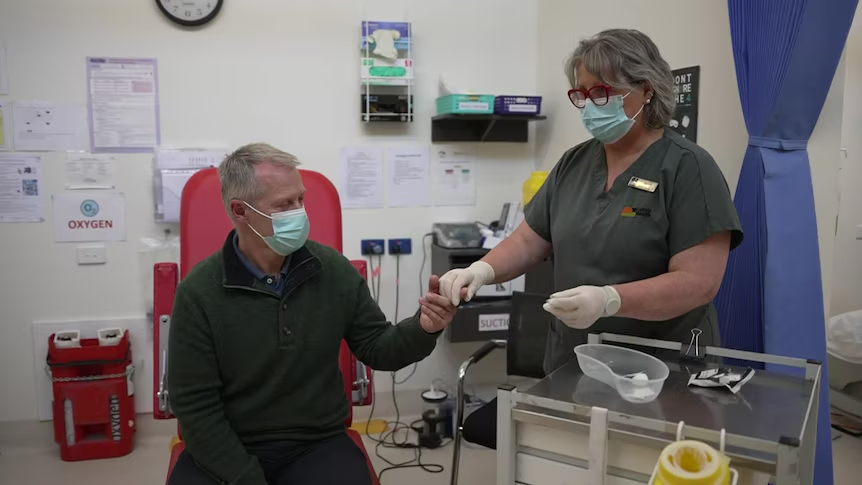
So, you’re feeling unwell, or maybe you have an unusual pain, are stressed and struggling to cope with things in your life. Maybe you’re at the supermarket and wondering what to buy for dinner or thinking about going for a walk. For many people making choices that impact their health is not easy. However, for patients of Kardinia Health, they can ring or make an appointment online to get advice, a diagnosis, referral, medication, or help to navigate the health system and take the next steps to getting better or making better health related choices. The information we’ve discussed above falls under the umbrella term ‘Health Literacy’ which is more than just being able to read and understand the instruction provided on your medication bottle. Health literacy (HL) is about how people access, understand, and use health information in ways that benefit their health and not just when they’re unwell.
Why are we as a medical clinic so interested in health literacy?
Data shows that people with low HL have;
- more adverse medical outcomes,
- increased hospital admissions/readmissions & emergency care
- increased risk of death among older people
- increased healthcare costs
- increased prevalence of health risk factors
- less participation in prevention activities
- poorer self-management of chronic disease and outcomes
- poorer understanding of medications, medication instructions, and adherence to treatment regimens
- poorer overall health status
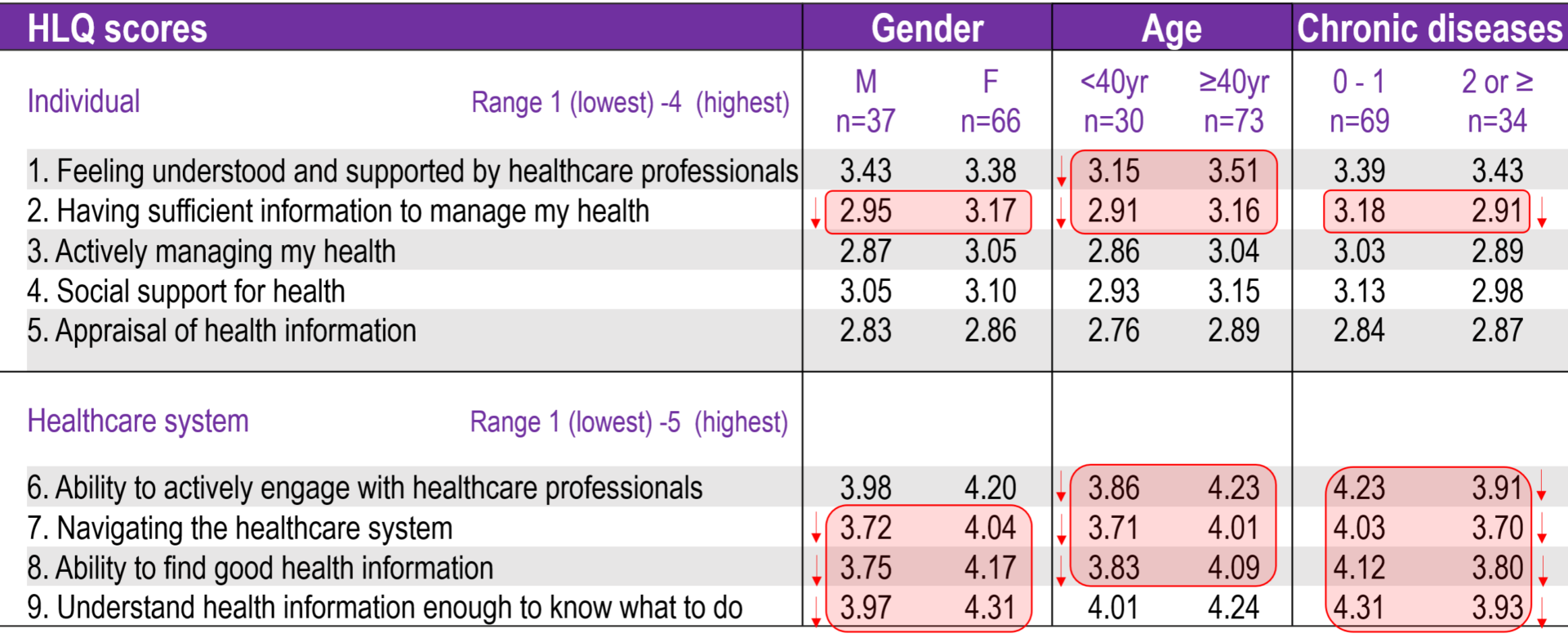
In a study by Kardinia Health, led by Dr Nic Brayshaw we measured HL using the HL questionnaire developed by Prof Richard Osbourne and utilised by the World Health Organisation. We received over 200 responses from our patients which was a fantastic result. The table below shows a lot of information, however the key messages are that even though the patients participating in this survey had high HL scores overall, we still found some gaps with those aged less than 40 years, or were male, or patients with two or more long-term illness’s all displaying lower health literacy.
As a result of this study, Kardinia Health has put in place strategies for our healthcare professionals to better engage with their patients and to help patients better understand their health choices and medical needs. However, there are things patients can do such as the ‘Ask Me 3’ program. So when your next with your health professional or pharmacist ask these questions;
- What is my main problem?
- What do I need to do?
- Why is it important for me to do this? Or, what could happen if I don’t do this?
If you’d like to read more about Nic’s study, the results have been published in the Journal and you can download a copy of the publication here.